



Nutrition facts
________________________
Cold pressed oil is a type of fresh juice squeezed from the seeds of particular plants, containing their natural nutrients, distinguished for the taste and smell of the seeds it’s made of. It is an unrefined and lacks heat treatment rich in essential fatty acids, vitamins soluble in oil, lecithins, phytosterols and valuable minerals.We consider our products to help customers go back to the natural and healthy diet. The seeds are processed by using a technology for cold seed pressing which means that the oil is mechanically pressed on a low temperature (lower than 45°C) with lack of heat and chemicals. After separating the oil from the seed the impurities are removed from it physically using filters and techniques. Afterwards, it is being packed in glass and plastic bottles ready to use.
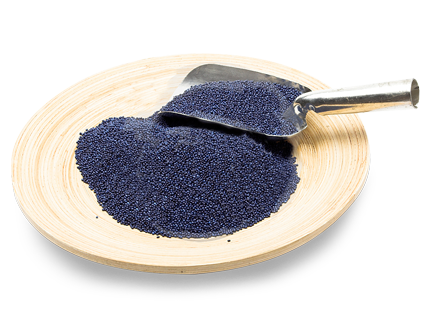
Rape
The rapeseed was firstly produced in Europe in the 13th century. It became popular in North American during the World War Two as a lubrication source. Back then it was rarely used as food for animals and humans, the reason was its bitter which was due to the high level of glucosinolates. The varieties of rape nowadays are designed to reduce the glucosinolate content, therefore the taste of the rape is more acceptable and rich with polyunsaturated fatty acids (oleic, linoleic and linolenic). The seed contains 40-45% fats and around 20-23% proteins. The rapeseed is cultivated for production of vegetable oil for human nutrition and biodiesel. After the seed is pressed and the oil is removed, high protein concentration remains, perfect for production of fodder. The leading producers of rape are the European Union countries, Canada, USA, Australia, China and India. Around 13% of the arable land in India is used for rape cultivation. According to the Ministry of agriculture in USA, the rapeseed was the third leading source of vegetable oil in the world for the year 2000, right behind the soybean and palm oil, as well as second leading source of protein meal, even though its production was equivalent to only one-fifth of the production of soybean-which was the leader.


