



Oil Types
________________________
Cold pressed oil is a type of fresh juice squeezed from the seeds of particular plants, containing their natural nutrients, distinguished for the taste and smell of the seeds it’s made of. It is an unrefined and lacks heat treatment rich in essential fatty acids, vitamins soluble in oil, lecithins, phytosterols and minerals valuable for people’s health. We consider our products to help customers go back to the natural and healthy diet. The seeds are processed by using a technology for cold seed pressing which means that the oil is mechanically pressed on a low temperature (lower than 45°C) with lack of heat and chemicals. After separating the oil from the seed the impurities are removed from it physically using filters and techniques. Afterwards, it is being packed in glass and plastic bottles ready to use.
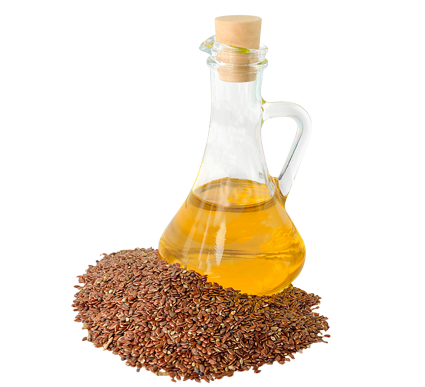
FLAXSEED OIL
Flaxseed and its oil have been promoted since the 1950s as a food and dietary supplement with anti-cancer properties. Flaxseed oilis a colorless to yellowish oil obtained from the dried ripe seeds of the flax plant. It is said that lower cholesterol levels, boost the immune system, and prevent cancer. Taking flaxseed oil may also protect against angina (chest pain) and high blood pressure and may also improve uterine function and thus treat fertility problems. The essential fatty acids in flaxseed oil are largely responsible for its skin-healing powers. Our bodies are unable to produce the essential fatty acids (EFA’s) contained in Flax Seed Oil. In order to gain these we must consume this natural substance through dietary or supplement consumption.
Origin and history
Sometime between 4000 and 2000 BC, flax cultivation became a common practice in countries bordering the Mediterranean Sea and in regions of the Middle East, and there is some evidence that flax cultivation may have started even thousands of years earlier, during the Neolithic Era of approximately 10,000 BC. From the very beginning, the value of flax was both culinary and domestic, since flax fibers could be spun into linen to provide clothing and other textile-related products. To this day, flax cultivation has remained both culinary and domestic, although crop production has become more specialized and wide scale.
Nutrition & health benefits
- Rich source of minerals like manganese, potassium, calcium, iron, magnesium, zinc and selenium
- Contains B-complex groups of vitamins such as riboflavin, niacin,thiamin, pantothenic acid, vitamin B-6, and folates.
- Rich in monounsaturated fatty acids like oleic acid. It is also one of the top vegetable sources of omega-3 essential fatty acids such as linoleic acid, alpha-linolenic acid (ALA) and arachidonic acids. Regular intake of small portions of flax seeds in the diet helps to lower total as well as LDL or “bad cholesterol” and increases HDL or “good cholesterol” levels in the blood.
- Contains lignans, a class of phytoestrogens considered to have antioxidant and cancer preventing properties.
- Excellent source of vitamin E, a powerful lipid soluble antioxidant, required for maintaining the integrity of cell membrane of mucus membranes and skin by protecting it from harmful oxygen-free radicals.
USES
- culinary uses
- increases the body’s production of energy and also increases stamina.
- It helps prevent Atherosclerosis.
- It eases weight loss in people afflicted with obesity.
- Improves Your Moods
- It strengthens finger and toe nails.
- It treats some cases of depression.
- It helps in the treatment of Multiple Sclerosis.
- It improves the absorption of Calcium.


